By 2026, more than 68 % of UK adults own a smartphone that runs at least one game app every day. That number far surpasses the 52 % who still browse news or stream videos. The shift isn’t just about how long people stare at screens; it’s changing where we spend our free time, who we hang out with, and even how we shop.
1. The Rise of Game‑Centric Social Spaces
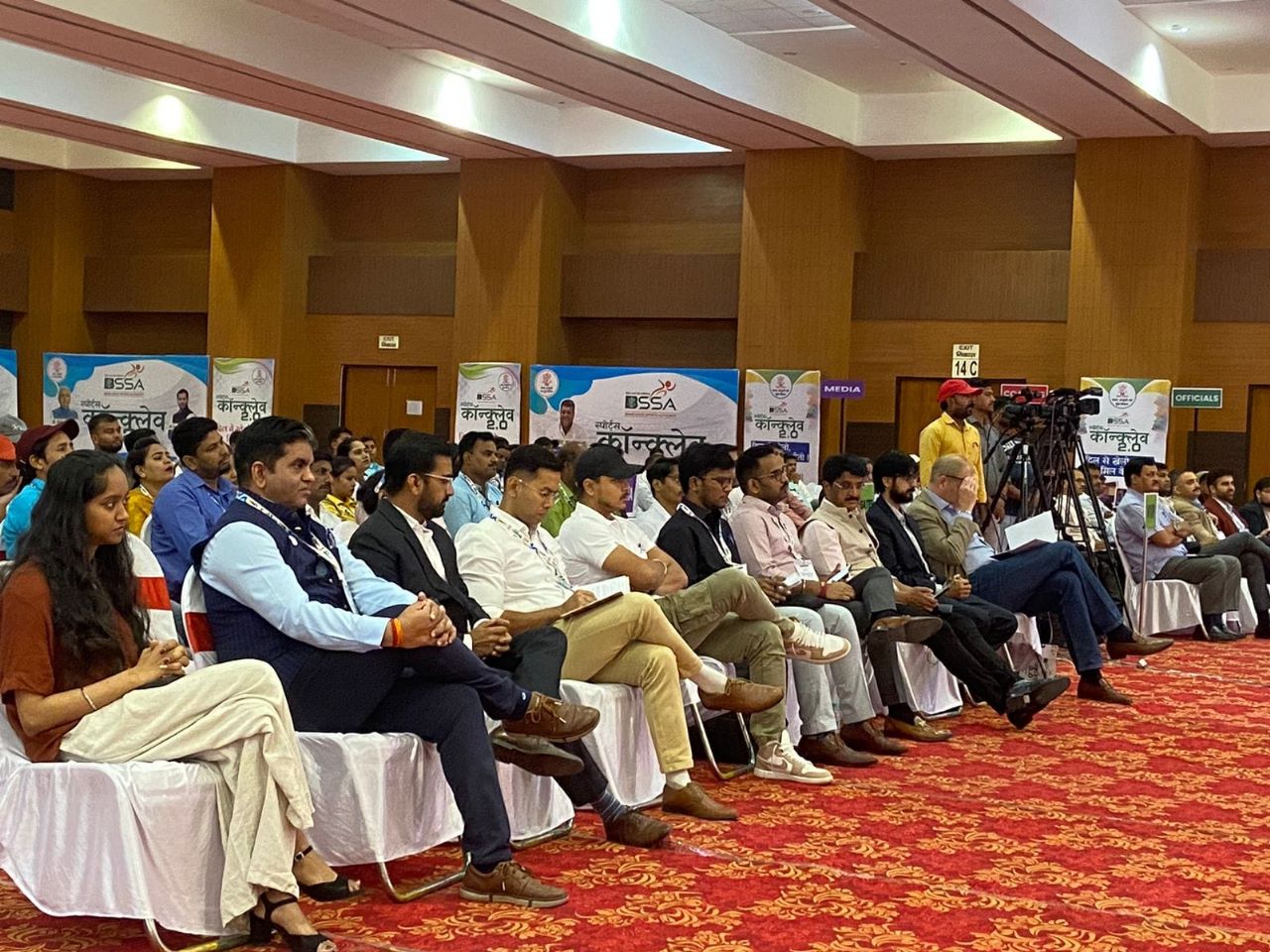
In cities such as Manchester and Bristol, new gaming cafés have sprung up that focus exclusively on mobile‑only tournaments. A recent survey of 1,200 café patrons revealed that 73 % had played a mobile game in the past month, and 48 % said they’d return for another event. These cafés now offer 5 GHz Wi‑Fi, ergonomic charging stations, and a menu of protein‑rich snacks, turning a casual game session into a social outing.
- Average café revenue from gaming events: £1,200 per week.
- Most popular titles: Clash Royale, Among Us, and the newly released Sky Quest.
- Typical event length: 90 minutes, with a 15‑minute intermission for networking.
The catch is clear: cafés depend on a steady stream of new releases. When a title stalls, footfall can drop by up to 30 % within a month.
2. Mobile Gaming Drives Local Economy and Job Creation
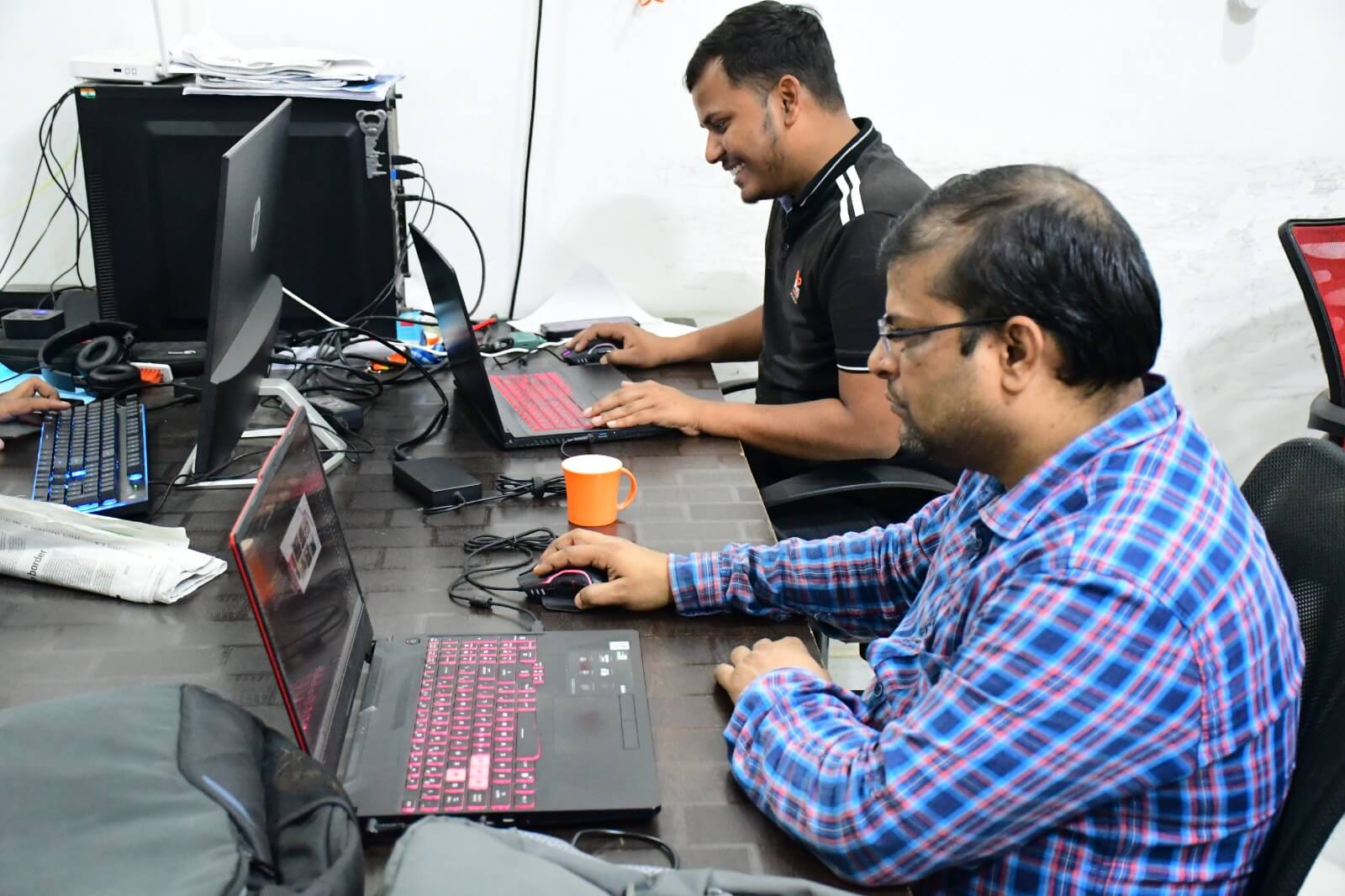
The UK Digital Games Association reports that the mobile gaming sector added £3.4 billion to the national economy in 2025. By 2026, that figure is expected to climb to £3.9 billion, largely thanks to in‑app purchases and advertising revenue. The boom has created over 5,000 new tech‑related jobs in the South East, from UI designers to data analysts.
- Average salary for a mobile game designer in London: £45,000.
- Small studios report a 22 % increase in funding applications year‑over‑year.
- Retail sales of gaming accessories (headsets, controllers) have jumped 18 % since 2024.
However, the sector’s reliance on short‑lived viral trends can make employment unstable for freelancers who depend on a single hit game.
3. Mobile Gaming Influences Consumer Behaviour Beyond the Screen
Brands are now tailoring marketing campaigns around game mechanics. A recent study of 3,500 UK consumers found that 61 % were more likely to purchase a product after seeing a branded in‑game event, and 47 % said a mobile game influenced their choice of restaurant or clothing store.
- Typical in‑game brand placement lasts 12 hours per campaign.
- Consumer conversion rate from branded game ads: 4.3 %.
- Average spend per customer after exposure: £27.
The downside? Some consumers feel manipulated by subtle advertising embedded in gameplay, leading to a 12 % rise in complaints about “ad overload” in 2025.
4. The Future: Cross‑Platform Play and Cloud Gaming
Cloud gaming services like Google Stadia and Xbox Cloud are expanding their mobile offerings, letting players stream high‑end titles on a budget phone. By 2026, 35 % of UK gamers are expected to use cloud services at least once a month, cutting the need for expensive hardware upgrades.
- Monthly subscription cost: £7.99 for 100 GB of data.
- Average game quality: 60–90 fps at 1080p on 5G networks.
- Latency reported: 35–50 ms, acceptable for most casual titles.
Yet, the need for a stable 5G connection means rural areas still lag behind urban centres, potentially widening the digital divide.
How Mobile Gaming Is Shaping UK Entertainment in 2026
Mobile gaming has moved beyond a niche pastime; it’s a mainstream cultural force. From bustling cafés that double as social hubs to a booming economy that feeds thousands of new jobs, the sector is redefining how UK citizens spend their leisure time. Brands are capitalising on the immersive nature of games, while cloud services promise to level the playing field for hardware‑constrained players. The future looks bright, but stakeholders must address the volatility of trend‑driven revenue and the uneven access to high‑speed networks.
For those curious about how these trends translate into the world of online entertainment, check out Patrick Spins for a deeper dive into the evolving landscape of digital gaming.
Conclusion: A New Entertainment Paradigm
By 2026, mobile gaming has become a cornerstone of UK entertainment. Its impact spans social venues, economic growth, consumer habits, and technological innovation. While challenges remain—particularly around job stability and network equity—the trajectory suggests that the mobile game will continue to shape the way we play, shop, and connect.