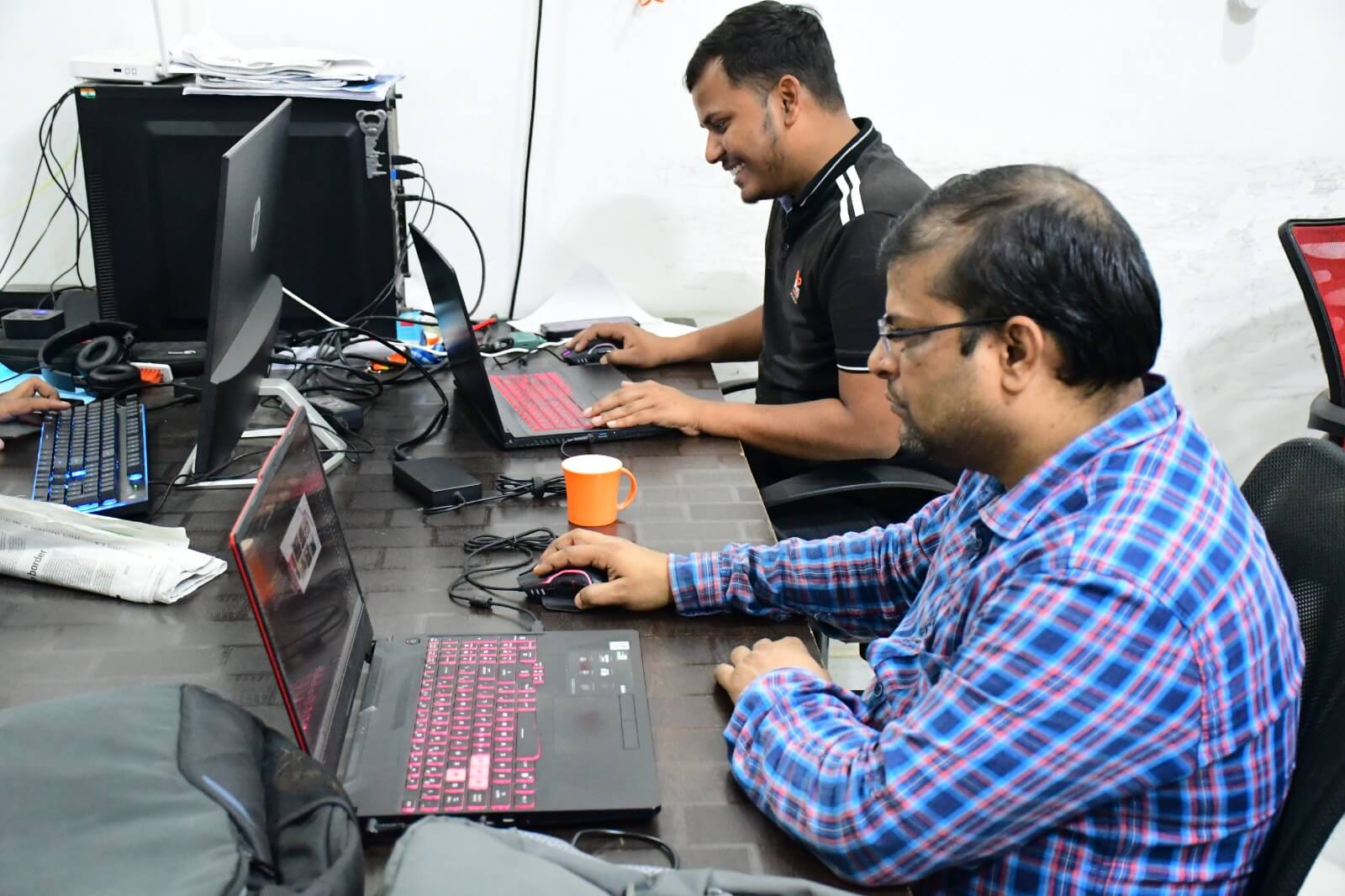

Last month I logged into a match that was streamed from a data centre in Manchester. The game ran flawlessly on my old laptop, even though the server was a full 1,200 km away. That’s the core of cloud‑based esports: the heavy lifting happens off‑site, and players connect over the internet as if they were in a local arena.
Latency: The Real‑Time Test
In traditional esports, a 20‑millisecond lag can mean the difference between a perfect headshot and a missed opportunity. Cloud servers now sit closer to major UK cities—London, Birmingham, Glasgow—cutting round‑trip times to under 15 ms for most players. However, if you’re on a 5 G home network, you’ll still feel a 25‑ms jitter that can throw off your timing. The best practice is to use a wired Ethernet connection and keep your router firmware updated.
Hardware Requirements: Less Is More
Because the game runs on a remote GPU, your local machine only needs to decode video and send input. A mid‑range laptop with a 1080p screen and a 2.5‑GHz dual‑core processor will handle most titles. The trade‑off: you lose the ability to tweak graphics settings, and if the cloud provider throttles bandwidth, you’ll see frame drops that you can’t fix locally.
Cost Structure: Pay‑Per‑Play vs. Subscription
Most platforms charge a flat fee of £5.99 per hour of gameplay. Some offer a 10‑hour bundle for £49.99, which saves 20 % compared to hourly rates. If you play more than 20 hours a month, a subscription plan at £29.99 per month can be cheaper. Beware: the free trial periods often cap at 30 minutes, so you’ll need to budget for the first few sessions.
Competitive Integrity: Anti‑Cheat Measures
Cloud providers run anti‑cheat software on their servers, so you can’t inject external mods. That levels the playing field, but it also means that any bug in the server’s code affects everyone. In the past, a single patch caused a 48‑hour downtime for a major tournament, leaving players with a refund but a lost reputation for the host.

Regional Availability: Where the Servers Lie
UK players have access to servers in London, Manchester, and Edinburgh. If you’re in Northern Ireland, you’ll connect to the London node, adding an extra 200 km of latency. For players in the West Country, the Manchester node is the closest, keeping lag under 18 ms. Always check the server list before you start a match.
From Esports to Entertainment: A Quick Detour
While cloud‑based gaming is reshaping competitive play, it also blurs the line between esports and casual online entertainment. For instance, a friend of mine tried a spin‑the‑wheel game at a popular spinboss casino and found the graphics and streaming quality comparable to a full‑scale tournament.
Security and Privacy: What to Watch
Data is transmitted between your device and the server over encrypted channels, but the provider stores your match history in the cloud. If you’re concerned about personal data, opt for a platform that offers end‑to‑end encryption and a clear privacy policy. Some services log your IP address for anti‑cheat purposes, which could be a privacy issue for players in sensitive regions.
Choosing the Right Platform: A Quick Checklist
- Latency: Target <15 ms round‑trip to major UK cities.
- Pricing: Compare hourly rates to subscription costs.
- Server locations: Ensure a node within 300 km of you.
- Anti‑cheat policy: Verify that the provider’s system is transparent.
- Privacy terms: Read the data‑handling section carefully.
Which to Pick?
If you’re a casual player who wants to dip into competitive titles without upgrading hardware, a pay‑per‑play model with a London node is a solid choice. Hardcore competitors who play more than 20 hours a month should lean toward a subscription plan to maximise value. Ultimately, the best platform is the one that offers the lowest latency, a transparent pricing scheme, and a server that feels physically close to you.
Frequently Asked Questions
What is cloud‑based esports?
It’s a gaming model where game servers run in remote data centres, allowing players to connect from anywhere with minimal local hardware demands.
How does cloud hosting improve latency?
By placing servers closer to players or using edge‑computing, cloud providers reduce round‑trip times, often keeping lag below 20 ms.